News from the Arctic
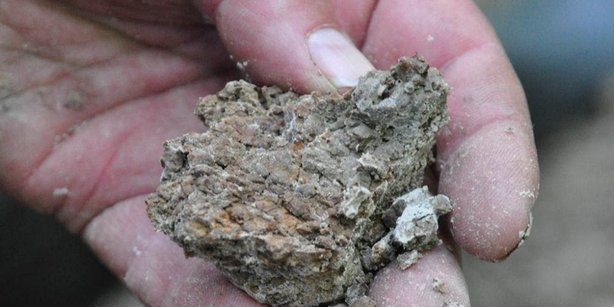
Andreas Richter writes in the Uni:view magazine about his expedition to the Canadian island Qikitaruk.
Centre for Microbiology and Environmental Systems Science
The Division of Terrestrial Ecosystem Research | TER at the Centre for Microbiology and Environmental Systems Science | CeMESS aims to advance the fundamental understanding of how soil microorganisms and plants respond to and in turn shape their abiotic and biotic environment, and what consequences these interactions have for the functioning of the Earth’s ecosystems.
Researchers at TER address pressing environmental issues, such as the impact of climate change on ecosystem functioning and the role of soils in the global carbon cycle and in food security.
Andreas Richter writes in the Uni:view magazine about his expedition to the Canadian island Qikitaruk.
Four internships are available @TER during the summer 2019, that will provide a unique opportunity to participate in one of the research projects as a…
Alexander Tveit (former PostDoc at TER) and Andreas Richter were part of an international team led by Mette Svenning from the Arctic University of…
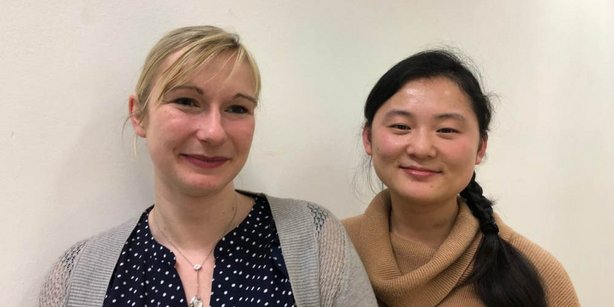
Congratulations to Lisa and Qing, who successfully defended their PhD thesis on "Controls of Soil Microbial Carbon Cycling" (Qing, Friday April 5th)…
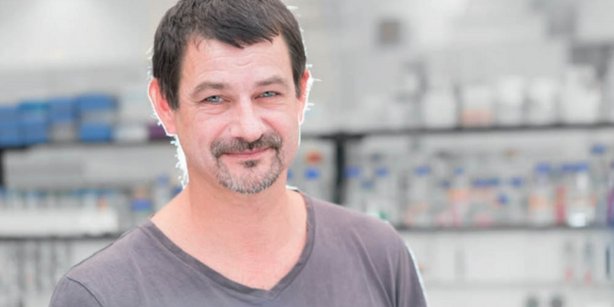
After a competitive review process Wolfgang has been appointed Full Professors for Physiological Ecology and Ecosystem Research as of April 1st, 2019.…
Andreas Richter participated in a panel discussion at the Natural History Museum of Vienna organized by the Environmental Research Network of the…
Luo, Y., Cardoso, MF. S., Halfwerk, R., Sechi, V., Wanek, W., & Buisman, C. J. N. (2026). Distinct and synergistic roles of bacteria, fungi, and extracellular polymeric substances in soil aggregation. Soil Biology and Biochemistry, 222, 1-4. Article 110274. https://doi.org/10.1016/j.soilbio.2026.110274
Glasl, B., Kitzinger, K., Luter, H. M., Legin, A., Schuster, S., Salas, E., Heldwein, N., Damjanovic, K., Rutsch, M., Vekeman, B., Geerlings, N. M. J., Pjevac, P., Séneca, J., Watzka, M., Wanek, W., Speth, D. R., & Wagner, M. (2026). Branched-chain amino acid assimilation enables mixotrophy of ammonia-oxidizing archaeal sponge symbionts. Science Advances, 12(36), 1-15. Article eaef9450. https://doi.org/10.1126/sciadv.aef9450
Lintner, M., Polovodova Asteman, I., Bernhard, J. M., Legin, A., Schintlmeister, A., Cyran, N., Schmidt, K., Wanek, W., Golen, J., & Tyszka, J. (2026). Water soluble fuel compounds impair metabolism in benthic foraminifera: Ecotoxicological observations at cellular level. Science of the Total Environment, 1045, 1-10. Article 181976. https://doi.org/10.1016/j.scitotenv.2026.181976
Yao, R., Zhang, Y., Wanek, W., Luo, Z., Fu, H., Chang, S. X., Terrer, C., Jiang, M., Ge, T., Liang, G., Yang, Y., Luo, Y., Chen, J., Delgado-Baquerizo, M., Chadwick, D. R., Jones, D. L., Wu, L., Liang, Y., & Ma, Q. (2026). Synergistic Interactions Between Warming and Elevated Atmospheric CO2 Increase Soil Organic Carbon Sequestration. Global Change Biology, 32(8), 1-14. Article e71072. https://doi.org/10.1111/gcb.71072
Sun, L., Chen, J., Qiao, Y., Moorhead, D. L., Wanek, W., Ochoa-Hueso, R., & Lin, Y. (2026). Revisiting ecoenzymatic stoichiometry models for improved understanding of microbial resource limitations. Soil Biology and Biochemistry, 222, 1-10. Article 110280. Advance online publication. https://doi.org/10.1016/j.soilbio.2026.110280
University of Vienna